
Surviving the PNW Soak: The Three S's of Septic Care
Western Washington’s heavy rains and clay soils create a high-risk environment for septic systems. Learn the 'Three S's'—Shield, Think, and Space—to prevent a total drainfield failure.
The Pacific Northwest Challenge: Rain and Clay\n\nIf you live in Snohomish, Skagit, or Island County, you know that our weather is unique. We deal with long periods of sustained rainfall and soil that is often heavy with clay. For a septic system, this is the 'perfect storm.' Septic systems rely on the soil in your drainfield to filter and treat wastewater. When the ground is already saturated with rainwater, it loses its ability to soak up effluent from your house. This is known as hydraulic overload, and it is the leading cause of septic failure in our region.\n\nTo keep your system running safely through a wet Western Washington winter, you need to follow the 'Three S's' of septic health.\n\n## 1. Shield Your Field\n\nYour drainfield is the most expensive part of your septic system. It is a network of pipes buried in porous soil, and it is surprisingly fragile. In the PNW, our wet soil is highly susceptible to compaction. If you drive a car over it, park a boat on it, or let livestock graze there, you are crushing the air pockets in the soil that allow water to filter through. \n\nA compacted drainfield is a dead drainfield. Once the soil is packed down, it can no longer process waste, leading to sewage backing up into your home or pooling in your yard. Shielding your field means keeping all heavy weight off the area—permanently.\n\n## 2. Think at the Sink\n\nWhat goes down your drain has a direct impact on how often you need to pump your tank and how long your drainfield lasts. One of the biggest enemies of a PNW septic system is the garbage disposal. Using a disposal increases the amount of solids in your tank by up to 50%. Those solids eventually find their way into your drainfield, where they clog the soil pores.\n\nAvoid pouring fats, oils, and grease (FOG) down the drain. They solidify in the pipes and the tank. Similarly, 'flushable' wipes are never actually flushable—they don't break down and will quickly clog your baffles or pump. Keep your kitchen waste in the compost or trash, not the septic tank.\n\n## 3. Space Out Water Use\n\nDuring a heavy Skagit County rainstorm, your drainfield is already working overtime to handle the water falling from the sky. If you add the stress of five loads of laundry, a long shower, and the dishwasher all in one day, you are flooding the system. This 'hydraulic overload' can push solids out of the tank and into the drainfield.\n\nSpace out your water use. Do one load of laundry a day instead of five on Saturday. Fix leaky faucets immediately. A single dripping tap can add hundreds of gallons of unnecessary water to your system every week, shortening its lifespan and increasing the risk of a backup during a storm.\n\n## Signs Your System is Struggling\n\nIn Western WA, we look for specific warning signs. If you see a 'lush spot'—a patch of bright green, thick grass over your drainfield when the rest of the lawn is dormant—that’s a red flag. It means effluent is rising to the surface. Similarly, gurgling pipes or water pooling in the yard days after the rain has stopped are signs that your system is screaming for help.\n\nSeptic maintenance in the Pacific Northwest requires a proactive approach. The cost of a full replacement in 2026 can reach upwards of $45,000 for advanced ATU systems. A little care goes a long way in preventing that expense. At Blackwater Services, we are committed to helping homeowners protect their property and the local environment. Our Blackwater Protection Plan is designed to catch these issues before they become emergencies, keeping your system healthy no matter how much it rains.
Written by
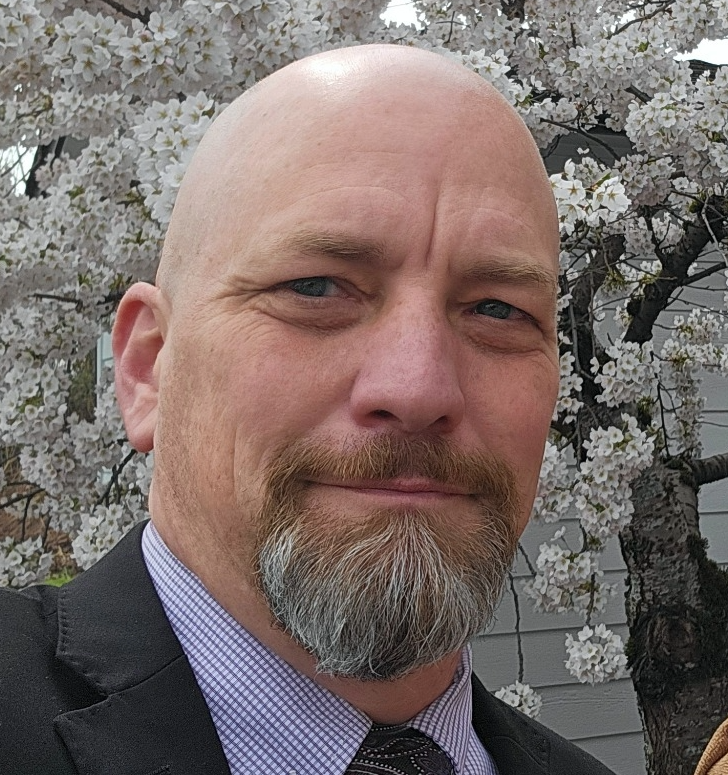
Zebulun Tilton
Founder & Certified Lead Septic Technician — Blackwater Services
Zebulun has over a decade of hands-on experience in septic pumping, repair, and aerobic ATU maintenance across Snohomish, Skagit & Island Counties, WA. He holds a Washington State Contractor Registration (CCBLACKS*793NT) and is certified on all major ATU systems including Norweco, Bio-Microbics, NuWater BNR, and OSCAR XO2.
Need Septic Help in Western Washington?
Same-day service available. Licensed, insured, and women-owned. Serving Snohomish, Skagit & Island Counties.
Call (425) 777-4545
Protect Your Septic System Today
Schedule service, ask questions, or enroll in a Protection Plan. Blackwater Services is available 24/7.
No obligation. Licensed & insured. Serving Snohomish, Skagit & Island Counties.
